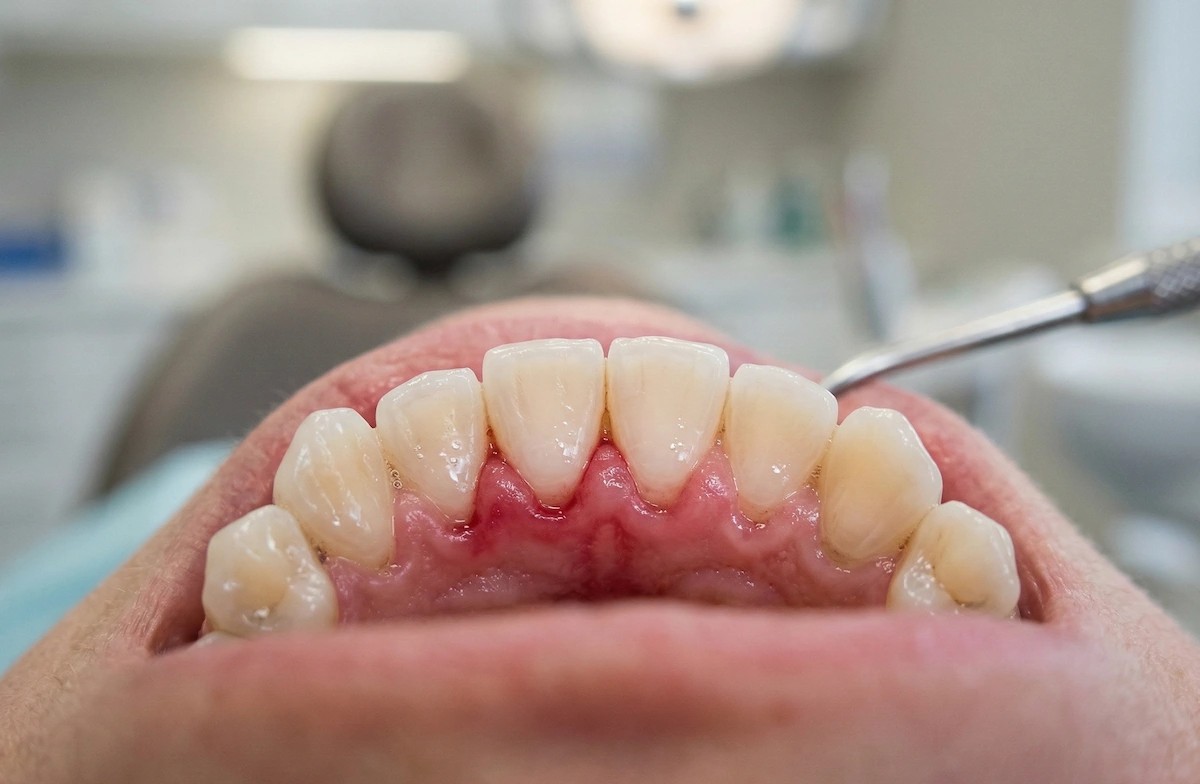
Bleeding gums can be harmless or a warning sign of gum disease, and knowing the difference between them helps you decide when to act.
Many people notice a slight pink tinge in the sink after brushing and assume it is nothing serious. But sometimes, those bleeding gums are your mouth telling you something you should not ignore.
In fact, gum disease affects a large portion of Australian adults, since many of them don't catch the early signs until things have already progressed.
In this article, you'll find out what causes gums to bleed in the first place, how to spot early gum disease symptoms before they get worse, and which warning signs mean it's time to call your dentist.
By the end, you'll have a much clearer picture of where your oral health actually stands. Let's get started.
Bleeding Gums Causes: Why Your Gums Are Acting Up
Most of the time, bleeding gums come down to a handful of very common and very fixable causes. Some of them are tied to daily habits, others to what's quietly happening inside your body.
Either way, knowing the reason behind your gums bleeding is the first step toward doing something about it. Here’s a quick look at the four most common causes:

Brushing or Flossing Too Hard: The Everyday Culprit
Pressing too hard while brushing your teeth irritates the gum line and causes small bleeds. Trust us when we say, scrubbing harder does not mean cleaner, and your gums already know this.
Instead, a soft-bristle toothbrush with gentle, circular strokes protects gum tissue far better than aggressive brushing ever will. The same goes for dental floss. Snapping it down hard between your teeth can cut the gums and cause damage.
Gum Disease and Other Oral Health Triggers
When dental plaque builds up along the gum line and isn't removed through regular brushing and flossing, it hardens into tartar. This sticky film sitting on your teeth irritates the surrounding gum tissue and causes bleeding. Over time, it’ll lead to gum disease.
Frankly, poor oral hygiene is the most direct path to this outcome. Without consistent removal of plaque, the gums become inflamed, tender, and prone to bleeding, even during gentle brushing.
Medications, Hormones, and Other Hidden Causes
Basically, some medications affect how your blood clots, which makes your gums bleed more easily during brushing or flossing. Here, blood-thinning medications are the most common ones. Beyond that, hormonal changes during pregnancy or menstruation also affect gum health by making gum tissue more sensitive and reactive.
Dry mouth is another factor here. Saliva helps protect teeth and gums, so when the mouth stays dry for long periods, the affected area becomes more vulnerable to gum inflammation and irritation.
Vitamin Deficiencies That Affect Your Gums
Low vitamin C is one of the more overlooked causes of bleeding gums. Your body needs it to keep the gum tissue strong and resilient. Without enough of it, gums become fragile, bleed easily, and take longer to recover from minor irritation.
To raise your vitamin C level, you can eat citrus fruits, leafy greens, and capsicum. Remember, vitamin deficiencies like this are worth checking if your gums bleed regularly and you haven't found another clear reason why.
Early Gum Disease Symptoms You Shouldn't Brush Off
Have you ever noticed your gums bleeding and just assumed it would go away on its own? Well, a lot of people do it. But bleeding gums are often one of the earliest signs that your oral health needs attention. So the earlier you catch gum disease, the easier it is to stop it from getting worse.
Here are the symptoms and risk factors you should keep an eye on:
What Periodontal Gum Disease Actually Looks Like
You might be wondering what gum disease actually feels like day to day. Well, in the early stages, it's often subtle. Your gums may look slightly red, feel a little tender, or bleed when you brush. And most people mistake these for normal symptoms.
In fact, if those early symptoms continue unchecked, gum disease can move into a more serious stage called periodontal disease. At this point, the infection spreads below the gum line and starts affecting the tissue and bone holding your teeth in place.
Swollen, Tender Gums, More Than Just Soreness
Swollen gums and puffy gums that feel sore to the touch are common early signs of gum inflammation. In practice, this often feels like mild discomfort when eating or brushing your teeth.
Once that's established as a pattern, it's worth paying closer attention. Because if you leave gum inflammation without treatment, it tends to worsen, spreading further along the gum line and making the affected area increasingly sensitive.
Risk Factors That Make Gums Bleed Worse
After working with patients across different stages of gum disease, certain risk factors come up again and again. For instance, smoking is one of the biggest contributors to poor gum health. It reduces blood flow to gum tissue and masks early warning signs, which makes gum disease harder to detect early.

On top of that, health conditions like diabetes directly affect how the body responds to gum infection. That's why people with diabetes experience more severe gum inflammation and slower recovery. Besides, heart disease has also been linked to periodontal disease, with research suggesting the connection runs both ways.
Beyond these, a weakened immune system, stress, and a poor diet all add to the risk. These factors don't cause gum disease on their own, but they make your gums bleed far more likely and recovery much slower.
Signs Your Oral Health Needs Attention Right Now
Bad breath that doesn't go away after brushing and flossing is one sign worth taking seriously. Then, receding gums, where the gum line visibly pulls back from your teeth, is another. Loose teeth, mouth ulcers, and bleeding gums without much pressure are all early signs that your oral health needs a proper look.
These warning signs don't always come together at once. Sometimes it's just one or two things that seem minor. But a dental professional can spot patterns during a check-up long before things become harder to treat.
When Bleeding Gums Point to Periodontal Disease
When bleeding gums are paired with bone loss, receding gums, or loose teeth, periodontal gum disease is very likely involved. Advanced gum disease at this stage means the infection has moved well beyond the surface. If left untreated, it can lead to tooth loss, which is a serious outcome.
Gradually, a severe form of periodontal disease can also affect surrounding teeth and jaw structure, making treatment more involved and recovery longer.
From there, you need to quickly find out when to stop waiting and actually see a dentist.
Gums Bleeding: When Is It Time to See a Dentist?
You should see a dentist when bleeding is persistent, painful, or paired with other changes in your mouth. We understand that a little bleeding after flossing for the first time in a while can be normal. But there's a point where it stops being something to brush off.
To help you spot that difference, here is what to watch for:
Bleeding That Won't Stop on Its Own: If your gums keep bleeding for more than one to two weeks, good oral hygiene alone will not fix it. It often signals an underlying issue that needs proper assessment from a dental professional.
Pain, Swelling, or Other Changes Alongside Bleeding: Bad breath, loose teeth, dry mouth, or gums pulling away from your teeth are all signs worth acting on. These warning signs often point to a gum infection or advancing periodontal disease that needs a proper examination.
When Home Care Stops Being Enough: Regular brushing and flossing help maintain oral health, but they won't treat gum disease once it has taken hold. Here, a dental professional can remove plaque and tartar buildup below the gum line, which brushing simply can't reach.
What a Dentist Can Actually Do: A dental hygienist can assess the affected area, track changes in your gum health, and recommend nonsurgical treatment options like root planing before things progress further.
Authority Behind the Advice: Both the Australian Dental Association and the American Dental Association support early intervention as the most fruitful path for treating gum disease. Dental and craniofacial research from the National Institute also backs regular dental check-ups as a reliable way to catch gum disease early and prevent tooth loss.
Bottom line: Most cases treated early avoid the harder road entirely. It's because waiting longer usually means more involved treatment. That's why book your appointment sooner rather than later.
Keeping Periodontal Disease at Bay With Regular Dental Check-Ups
Most people don't realise how much damage builds up between dental visits. Gum disease usually progresses slowly, and by the time you notice it, it has often moved beyond the early stage when treatment is the simplest.
To overcome this situation, regular dental check-ups give your dentist a chance to catch gum disease before it becomes harder to treat. Remember, a check-up isn't just a quick look around. Instead, your dentist checks gum tissue depth, looks for signs of bone loss, and tracks changes in your teeth and gums since your last visit.

Over the years, we’ve seen a clear pattern between visits. Patients who come in regularly tend to have far less tartar build-up, gum recession, and signs of periodontal disease. Besides, maintaining oral health is easier when small problems are caught early.
Professional cleaning also removes plaque that brushing and flossing cannot reach, directly lowering your risk of periodontal gum disease. Plus, good oral hygiene at home, paired with guidance from a dental professional, can prevent gum disease from taking hold.
In short, brushing your teeth at least twice a day with a soft-bristle toothbrush and seeing your dentist regularly covers most of what's needed to keep your gums healthy long term.
Your Gums Are Talking, Are You Listening?
Bleeding gums are rarely something to panic about, but they are always worth paying attention to. From brushing habits to early gum disease, catching the problem sooner makes treatment far simpler and far less involved.
The signs are usually there well before things get serious. Bad breath, puffy gums, gums bleeding after light contact, or teeth feeling slightly loose are all worth mentioning to a dental professional at your next visit.
Don't leave it until it gets worse. Book an appointment with Best Dentists today and get a proper read on where your gum health stands. Remember, a quick check-up now could save you a lot of time, discomfort, and expense down the track.
Recent Posts
-
 Veneers, Whitening, or Bonding? Choosing the Right...
6 months ago
Veneers, Whitening, or Bonding? Choosing the Right...
6 months ago
-
 Dental Check-Up Costs in Australia: What You’ll Re...
6 months ago
Dental Check-Up Costs in Australia: What You’ll Re...
6 months ago
-
Bleeding Gums: Harmless or a Warning Sign? When to...
6 months ago